Elevate Your Editorial Design with The Dream Wedding Magazine
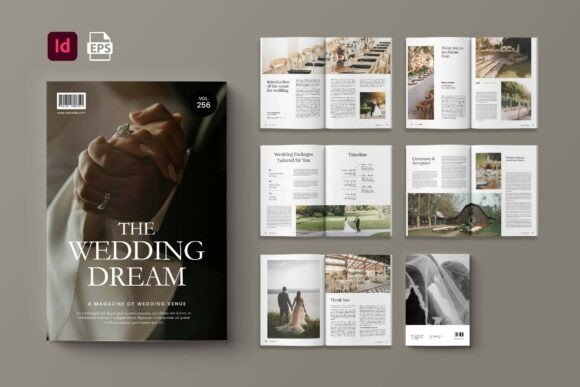
In a crowded digital landscape, capturing a reader's attention requires more than just good content—it demands exceptional visual storytelling. This is where professional design templates become invaluable, and The Dream Wedding Magazine stands out as a prime example. This professional and clean magazine template is designed for Adobe InDesign, offering a fully editable foundation for creating stunning magazines, lookbooks, catalogs, and other editorial projects. Its practicality and polished aesthetics make it a significant asset for designers and creators aiming to produce high-quality visual communication.
The Foundation of Effective Visual Communication
At its core, strong graphic design is about clarity and impact. A template like this provides a structured yet flexible framework that ensures visual hierarchy, readability, and consistent branding from the first page to the last. The 14 custom pages, including front and back covers, are meticulously organized with neat layers and smart objects, streamlining the design workflow. This allows creators to focus on content and creative direction rather than spending excessive time on baseline layout construction.
The technical specifications are built for professional output: the A4 format (21cm x 29.7cm), CMYK color mode, 300 DPI resolution, and 3mm bleed ensure print-ready files that meet industry standards. Using free fonts from sources like DaFont or Google Fonts further enhances accessibility and customization, allowing designers to match the typography precisely to a brand's identity or the project's mood.
Practical Applications Beyond the Page
While its primary function is editorial design, the utility of a well-structured template extends across numerous creative projects. The principles embedded in The Dream Wedding Magazine—clean layout, strong typographic choices, and balanced composition—are universally applicable. Here are several ways such a resource can be leveraged:
- Brand Identity & Marketing Materials: Use the layout principles to design cohesive brand books, company brochures, or product catalogs that strengthen brand identity and ensure consistency across all touchpoints.
- Digital Content Creation: Adapt the page designs for social media graphics, digital lookbooks, or PDF lead magnets. The clean visual hierarchy translates well to screens, enhancing user engagement on platforms like Instagram or Pinterest.
- Professional Presentations & Pitches: Transform the template into a sophisticated presentation deck for clients or investors, elevating a standard pitch into a compelling visual narrative.
- Packaging & Merchandise Design: The aesthetic can inspire the visual language for product packaging, lookbooks for merchandise, or even the design of physical journals and planners.
Tips for Selecting and Using Design Assets Effectively
Choosing the right creative asset is about more than just visual appeal. To maximize the value of any template or design system, consider these factors:
- Audience Alignment: Does the visual style—its color palette, typography, and modern aesthetics—resonate with your target audience? A template for a luxury wedding magazine will have a different tone than one for a tech startup.
- Brand Consistency: Evaluate how easily the template can be customized to fit within your existing brand systems. Look for editable color swatches, paragraph styles, and character styles to ensure seamless integration.
- Scalability and Adaptability: A good template should serve as a starting point, not a cage. Assess whether the layout can be adapted for different content lengths or formats without losing its structural integrity.
- Technical Quality: Check for organized layers, proper bleed settings, and high-resolution specifications. These details prevent workflow bottlenecks and ensure a professional final product, whether for print or digital distribution.
Thoughtful design choices are fundamental to effective communication. A resource like The Dream Wedding Magazine does more than provide a pretty layout; it offers a blueprint for visual clarity, brand consistency, and professional presentation. By investing in quality creative assets and understanding how to apply their underlying principles, designers and creators can significantly enhance both the aesthetic appeal and the communicative power of their work, turning every project into an opportunity for compelling visual storytelling.